Are Your Social Media Ads Reaching Real Patients?
Published:
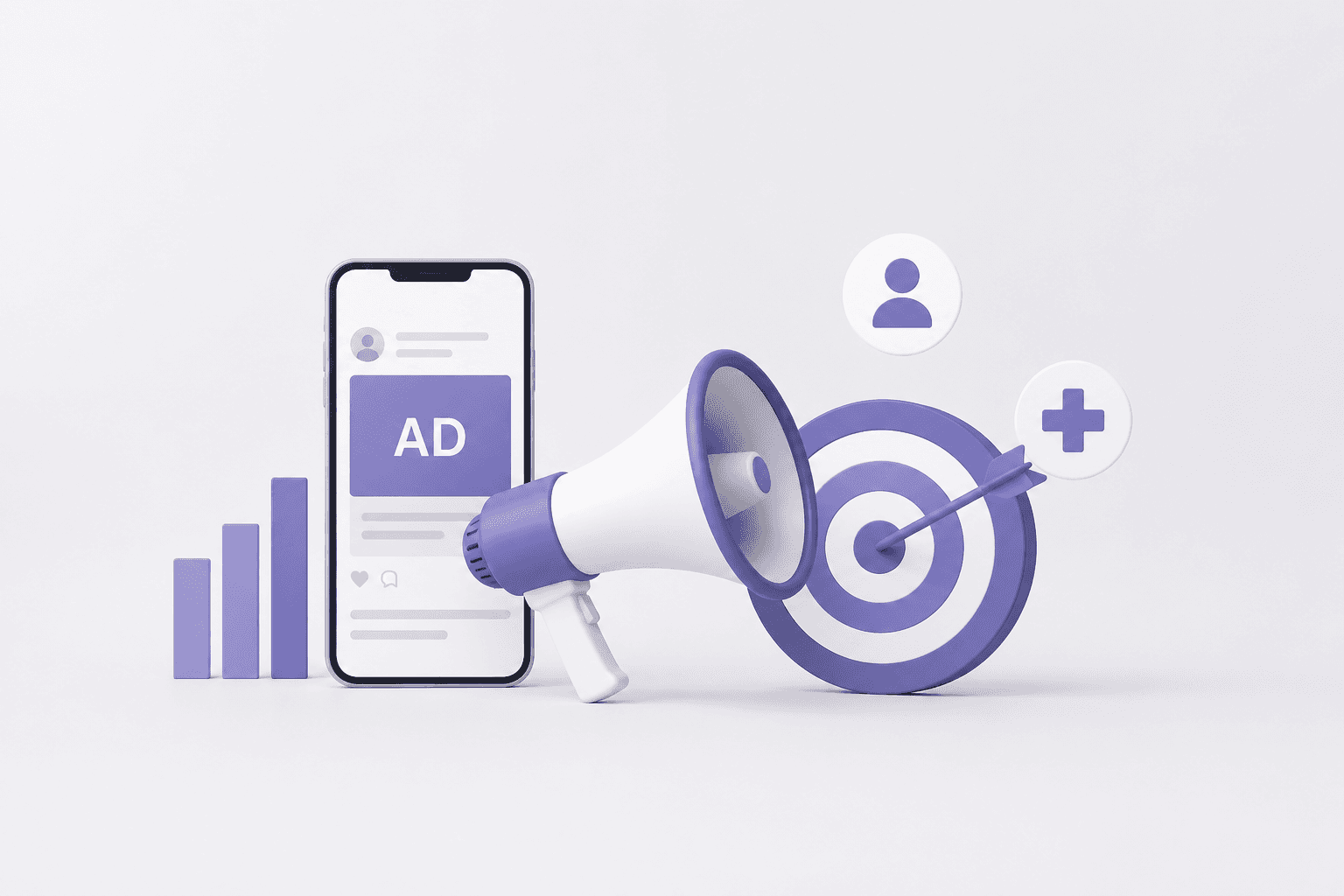
Today, many clinics, physicians, and healthcare brands spend thousands of dollars on:
Instagram advertisements,
TikTok campaigns,
influencer collaborations,
and sponsored social media content.
The goal is quite simple:
to reach more patients.
However, there is an important question that healthcare professionals are increasingly starting to ask:
Do social media ads genuinely reach patients with high intent?
Because simply being visible is not enough to build trust, secure appointments, or foster meaningful patient relationships.
Attention can be bought in the healthcare sector.
Patient trust, however, is much harder to earn.
The Problem with Traditional Healthcare Advertising
1. Impression Counts Do Not Match Patient Intent
Most social media platforms function based on:
clicks,
engagement,
watch time,
and impressions.
Yet, health decisions work differently than traditional consumer behaviors.
A user watching an aesthetic procedure video or liking healthcare content does not necessarily mean:
they are ready to book an appointment,
they trust the physician,
or they are about to make a clinical decision.
Healthcare intent runs much deeper and is far more personal than standard social media engagement.
When looking for health information, patients are typically:
seeking a solution to a specific concern,
looking for reassurance and trust,
comparing treatment options,
or actively searching for a specialist.
This intent is far more valuable than a mere "like" or view count.
2. Health Content Competes with Entertainment
On traditional social media platforms, healthcare professionals must compete in the exact same space with:
influencers,
entertainment content,
trends,
meme culture,
and algorithm-driven content.
Even highly educational clinical videos can struggle to gain visibility if they are not deemed "entertaining" enough.
This creates an uphill battle for healthcare professionals who simultaneously wish to:
remain trusted and credible,
communicate ethically,
and preserve their professional clinical standing.
More often than not, standard algorithms reward virality rather than medical expertise.
3. Patients Seek Trust Before Action
Healthcare decisions are deeply personal.
Before contacting a clinic or specialist, users often research:
procedures,
recovery processes,
specialist expertise,
reviews,
and patient patient experiences.
Because of this, users do not want to see plain ads.
Instead, they are looking for:
trust,
clarity,
education,
and a sense of reassurance.
This is why digital health ecosystems that prioritize patient education before conversion consistently achieve much better results.
Why Intent-Driven Health Discovery Matters
Intent-driven health discovery aims to connect:
the right patient,
with the right information,
with the right specialist,
at the exact right moment.
Rather than pushing invasive advertisements, it allows clinical content to be discovered naturally.
This type of discovery typically happens through:
symptom searches,
treatment research,
educational video resources,
and verified specialist content.
Consequently, because the user is already actively seeking information, a much more meaningful connection is established.
Video Content is Transforming Health Discovery
Patients increasingly prefer video content because it feels:
more human,
easier to understand,
and more reliable.
Concise medical videos help users:
visualize treatment journeys,
comprehend complex procedures,
compare medical specialists,
and feel emotionally reassured.
For healthcare professionals, video also builds a stronger perception of clinical authority compared to static ads.
Many patients report feeling a much greater sense of trust after hearing directly from a specialist.
Why Verified Platforms Matter More Than Ever
Modern health discovery platforms are built upon:
verified specialist expertise,
educational video ecosystems,
intelligent search systems,
and trust-focused experiences.
Unlike traditional social media networks, verified health platforms prioritize:
professional clinical identity,
medical credibility,
patient education,
and content relevance.
This approach delivers much stronger results for both:
patients seeking calm, reliable information,
and medical specialists aiming to connect with high-intent individuals.
How AI Enhances Patient Discovery
AI-powered health search engines like Vibseen can better analyze and understand a user's:
intent,
symptom-based searches,
treatment interests,
and educational preferences.
As a result, patients can much more rapidly discover:
the most relevant specialists,
highly reliable videos,
and personalized medical information.
Instead of relying solely on general advertising algorithms, AI-powered health discovery provides a calmer, highly contextual, and trusted experience.
Frequently Asked Questions
Why don't social media ads always lead to patient bookings?
Because clinical decisions demand trust, education, and patient intent rather than mere exposure.
What is a high-intent patient?
This refers to users who are actively researching symptoms, clinical treatments, or medical specialists.
Why is video content so effective in healthcare communication?
Video content makes it easier to explain complex procedures visually while fostering a stronger, trust-based connection with medical specialists.
What sets verified health platforms apart?
Instead of entertainment-focused algorithms, these platforms concentrate on expert verification, educational quality, and a reliable, calm health discovery process.
Can artificial intelligence improve patient discovery?
Yes. AI can seamlessly connect users with the most relevant clinical content and verified specialists based on context and specific intent.